Utility boxes, meters, and outdoor equipment are part of almost every property, but they rarely help the look of a front yard or foundation planting. Whether you need to hide a utility box on the house, an electrical box in the front yard, or equipment along a side walk, softening those spots with plants, screens, or a small hardscape feature can do a lot for curb appeal when the planting or structure still leaves enough room to reach the equipment later.
Below are common approaches homeowners use to hide utility boxes. The right choice depends on how much space you have, how often someone needs access, and how the area fits the rest of the landscape.
Start with how the equipment is used
Before you plant or build, look at doors, panels, lids, and the paths people walk when they service the box. A screen that looks good in photos but blocks those swings will not stay in place for long. Removable lattice, plants that are easy to thin, or a bed that wraps the sides instead of the front often work better than a permanent enclosure right against the face of the unit.
Also note sun, shade, and winter exposure. Pittsburgh winters can leave deciduous plants bare for months, so evergreen structure behind seasonal color usually looks more intentional year round.
Screen with plants
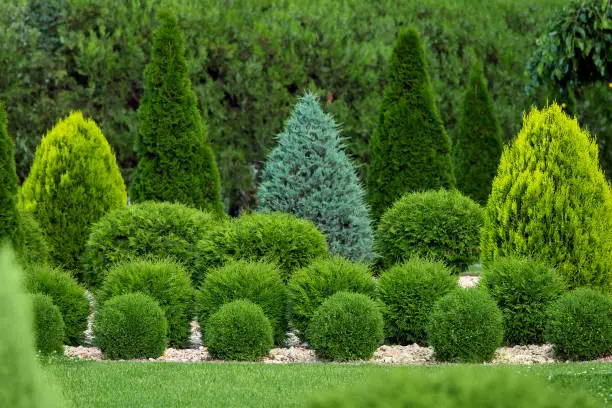
Shrubs and grasses are the most common fix because they blend into the rest of the bed. Evergreen shrubs give winter coverage; flowering shrubs or perennials add seasonal interest in front. Pick plants for the mature height and width you want, not only what looks right in the pot, so they do not swallow the box or flop into the sidewalk after a few seasons.
Vines on a free-standing trellis can work when you want a taller screen without a solid wall. Keep the trellis a step in front of the box rather than growing anything through or onto the equipment, and leave a clear way to step behind the screen when access is needed.
Use decorative screens and panels
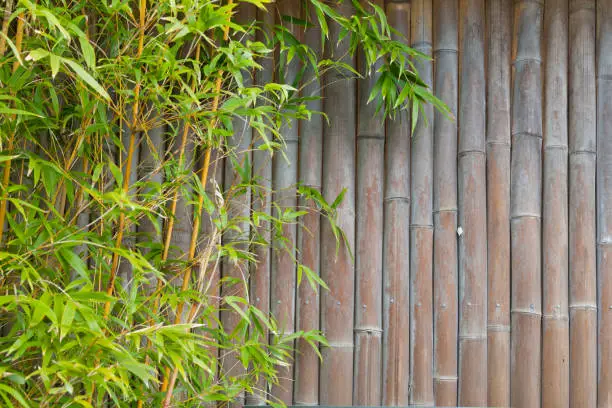
Lattice, metal panels, or a simple wood screen can hide a box that sits in an awkward strip of side yard. Open patterns leave some air movement and still break the view from the street. Paint or stain the screen to match nearby trim or fence so it reads as part of the house instead of a temporary cover.
Panels work especially well when you want screening that does not depend on plant growth. Pair them with a short planting strip in front if you want the look softer. For more design context around materials and outdoor structure, see our notes on eco-friendly landscaping and how plant choices fit a whole yard, not only one corner.
Build a matching enclosure or wall look
Where the house already has brick, stone, or board-and-batten character, a short wall or framed enclosure that echoes that material can make the utility area feel intentional. Wood boxes stained to match porch posts, or stone that relates to a walk or wall elsewhere on the property, tend to look quieter than a one-off structure that does not match anything nearby.
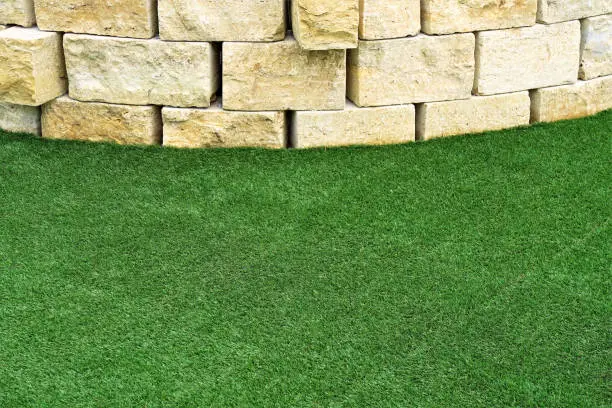
If you go this route, plan for openings or removable sections so service visits do not turn into a demolition weekend. Browse our portfolio for how hardscape and planting often share the same edge of a yard.
Fold the box into a garden bed
Sometimes the simplest answer is a fuller bed, not a special “box cover.” A slightly taller planting line, a curve of mulch, or a raised border can pull the eye to plants and away from the metal. Mix leaf textures and heights so the bed looks finished even when one shrub is still growing in.
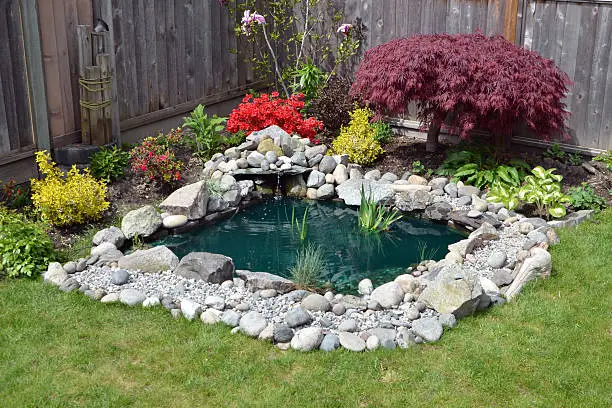
This is usually the cleanest approach when you are already revisiting foundation plantings or front-yard layout through landscape design. The utility area becomes one more design decision instead of a left-over strip of gravel.
Keep access and upkeep in mind
Whatever you choose, leave a clear path and enough room to open panels. Prefer hinged or lift-away screens when space is tight. After plants fill in, prune on a regular rhythm so stems do not lean into the equipment or crowd the walk. Garden pruning tips and ongoing landscape maintenance help plant screens stay neat without constant reinventing.
Seasonal checks matter too. After heavy snow or early spring growth, walk the area once and thin anything that has drifted into the work zone around the box.
When you want help
If the box sits in a high-visibility spot and you want the screening to match the rest of the property, contact Eichenlaub with a few photos and the location of the equipment. We can help you weigh planting versus structure so the fix looks intentional from the street and still works with how you use the yard.