
So, this is the year you are going to start a garden? That’s great! At this point, you are probably aware of all the benefits of home gardening. Here are a few simple vegetable garden tips from the experts at Eichenlaub.
Here are a few tips to ensure you have a successful vegetable garden
1. Location
When it comes to vegetable garden tips, location is everything. Unless you’re only growing leafy greens like lettuce and spinach, your garden will need 6 to 8 hours of direct sunlight per day. Position your garden in an area that gets consistent sun and is easy to access for watering, weeding, and harvesting. A garden tucked away in a forgotten corner of your yard is likely to be neglected, which can lead to missed harvests and spoiled produce. If thoughtfully planned, your garden can become a visually appealing feature of your landscape—and we can help you design it to complement your outdoor space beautifully.
2. Animals
One of the most overlooked vegetable garden tips is preparing for wildlife from the very beginning. Whether you live in the suburbs or the countryside, you’ll likely have to contend with deer, rabbits, groundhogs, or other hungry critters. To protect your crops, consider incorporating raised planters and secure fencing into your garden design. Planning for animal interference can save your garden from frustration and loss down the road.
3. Soil
Among the most critical vegetable garden tips is to start with healthy, nutrient-rich soil. In Western Pennsylvania, native soil tends to be heavy in clay, which can lead to poor drainage and limited root growth. You’ll want to either heavily amend your existing soil with compost—tilling in at least 4 inches—or consider building raised garden beds filled with a balanced soil/compost mix. A great local resource for compost and soil is AgRecycle. The better your soil, the better your vegetables will grow.
4. Water
Consistent watering is a pillar of good gardening. One of our top vegetable garden tips is to plan your watering strategy before you plant. During hot, dry months, you’ll need to water frequently—daily or several times per week, depending on weather conditions. Rain barrels or water harvesting systems are eco-friendly options, but they may not suffice in mid-summer. To make things easier, consider installing an automatic watering system that keeps your garden hydrated even when you’re busy or away.
5. Plants
Now comes the exciting part: choosing your vegetables! A great tip for beginner gardeners is to start with a few easy-to-grow crops you know you’ll eat—like tomatoes, peppers, herbs, or lettuce. Keep in mind, home gardening often means cooking based on what’s ripe rather than shopping for specific recipes. Tomatoes, for example, are a popular choice because homegrown varieties far surpass store-bought in flavor. Be sure to follow plant spacing guidelines—resist the urge to crowd your plants. For more planting inspiration and localized advice, check out resources like Grow Pittsburgh.
6. Manage
Once your garden is planted, the final piece of advice is all about maintenance. These vegetable garden tips come down to the basics: keep it watered, keep it weeded, and harvest at the right time. Stay on top of these simple tasks, and you’ll enjoy a steady supply of fresh, delicious vegetables all season long. If you need help managing or expanding your garden over time, we’re always here to assist with expert support and landscape integration.
Read this book for more information: Dos & Don’ts for Growing & Preserving Organic Vegetables by Dr. Merle F. Johnson. Dr. Johnson has over 40 years of experience with organic gardening in the Pittsburgh area.
(412) 767-4769
contact@eichenlaub.com
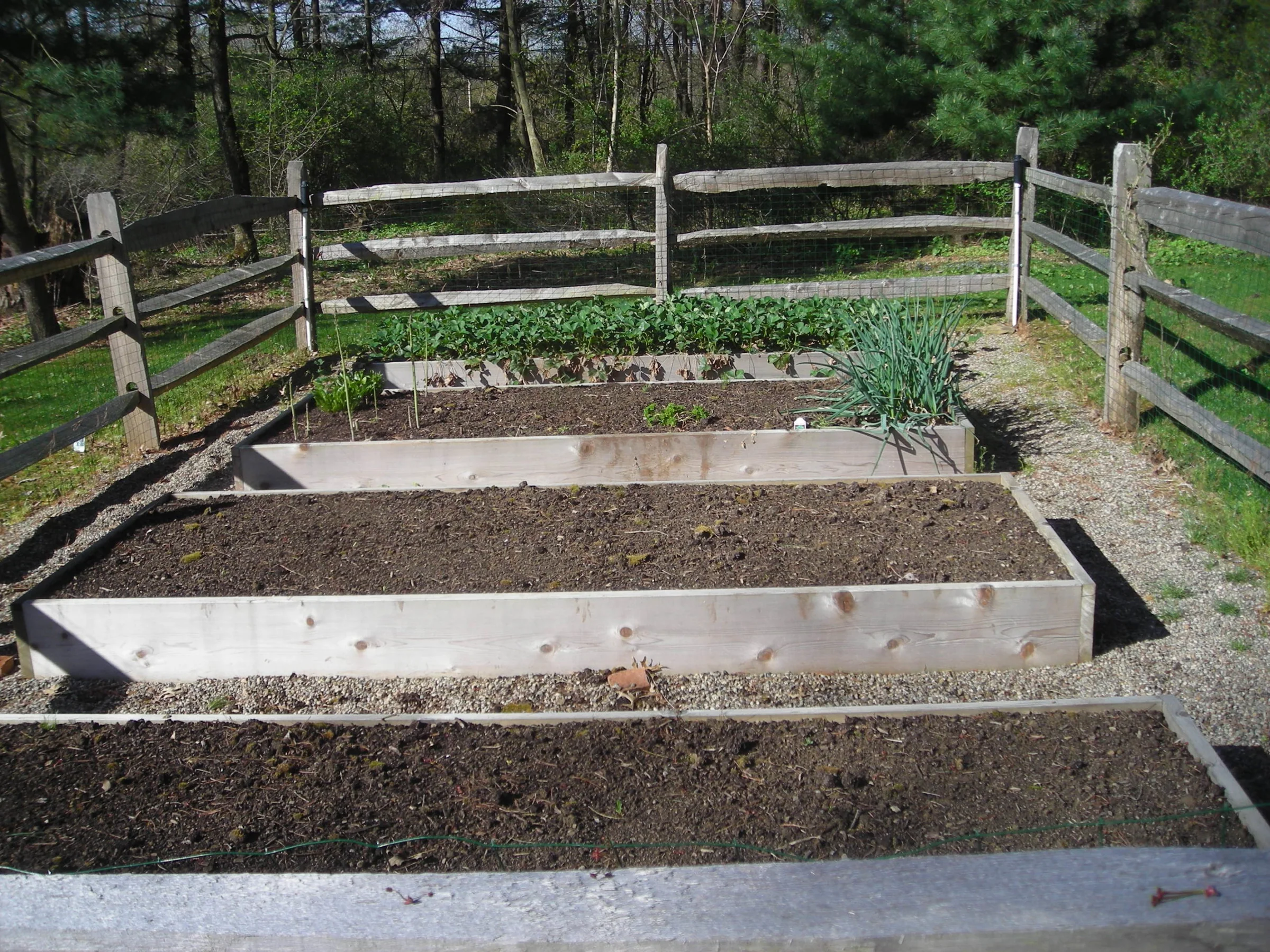
home vegetable garden designed and installed by eichenlaub
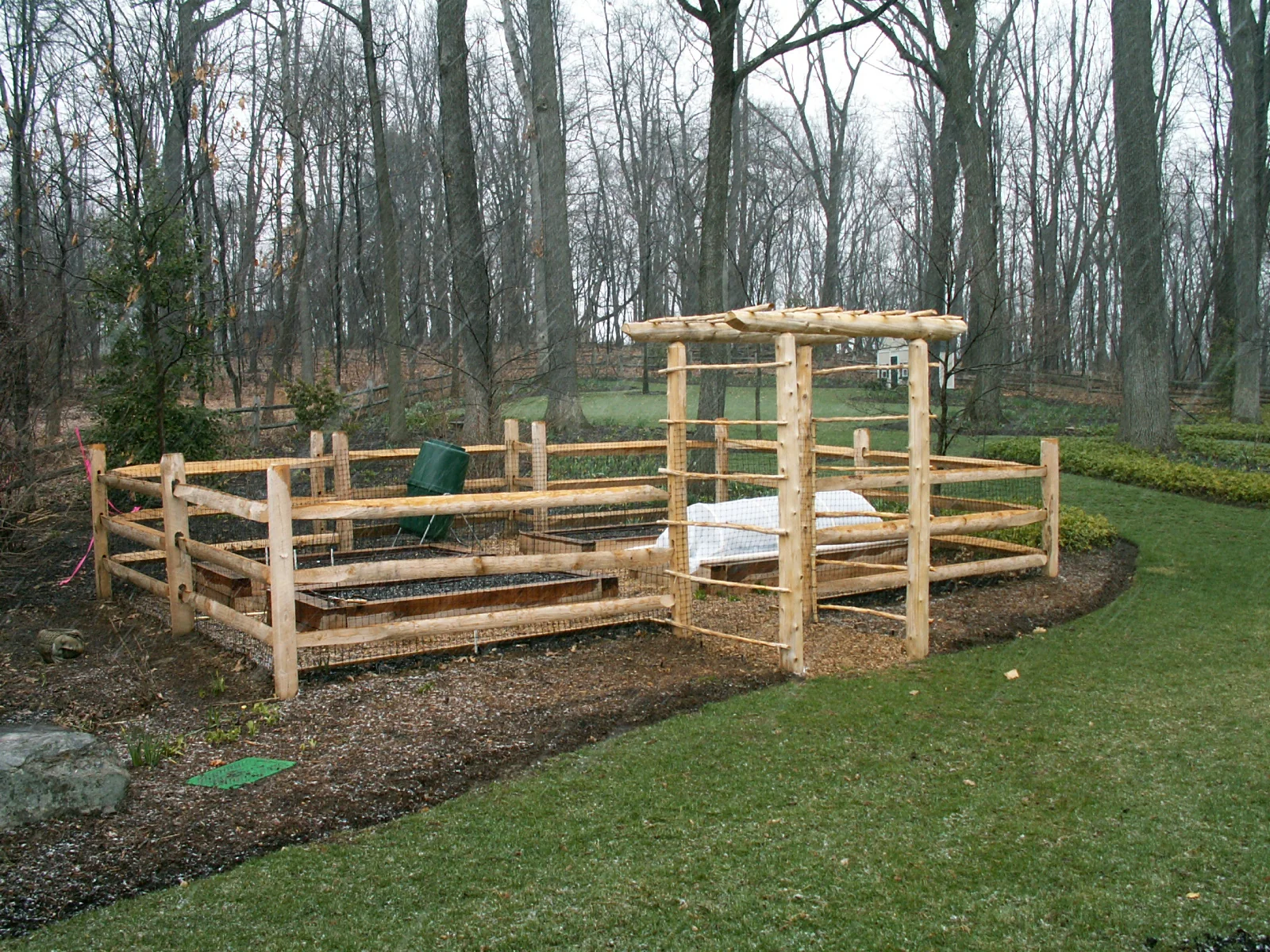
home vegetable garden designed and installed by Eichenlaub