
Now that winter is almost coming to an end, it’s time to think about what your next move would be for your garden. Though it’s exciting to scroll through gardening inspiration, let’s not get too carried away and forget about the preparation part, because without proper soil prep, even the best planting plans won’t grow into anything.
Now, the question is how to prepare the soil for planting flowers? Read on as we provide all the answers you need to get your garden ready for a successful growing season.
Step-by-Step Guide on How to Prepare Soil for Planting Flowers
Step 1 – Test Your Soil
Step one in how to prepare soil for planting flowers is to get to know your soil. Flower health and growth are both determined by pH and nutrient levels. Most flowers do best in slightly acidic to neutral soil with the pH between 6.0 and 7.0. You don’t need a fancy tool; a simple home soil test kit will do just fine.
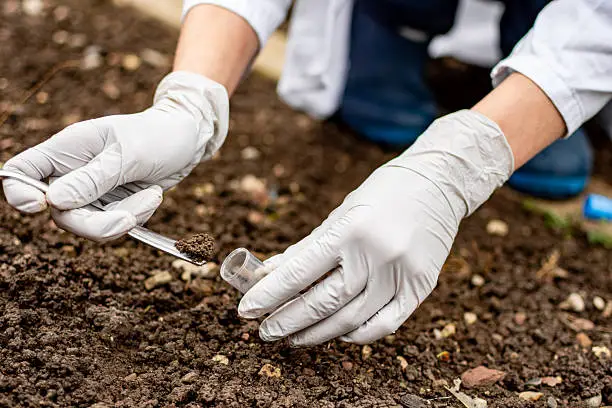
Once you know what you’re working with, you can plan your next move. If the pH is too high, adding sulfur can help bring it down. If it’s too low, agricultural lime can raise it. Making these minor adjustments early on sets your flowers up for healthier growth and better blooms later.
Step 2 – Remove Existing Vegetation and Debris
To make room for new growth, it’s essential to move forward and leave the old behind. Hence, your next step should be getting rid of old plants, weeds, roots, rocks, and other debris that can compete with your flowers for nutrients, water, and space. Starting with a tidy garden bed makes the rest of the soil preparation much easier and gives your flowers the best chance to thrive.
Step 3 – Improve Soil Structure
Once you can clearly see your garden bed, it’s time to focus your efforts on improving soil structure to help flowers’ roots grow easily, water drain properly, and nutrients reach where they need to be. Improving your soil is rather easy. Using simple organic matter, such as compost, well-aged manure, or leaf mold, you’ll get looser soil, better drainage, and higher nutrient levels, helping your flowers thrive.
Step 4 – Add Nutrients
Every living creature needs food and its nutrients to grow. Without it, there won’t be strong roots and vibrant-looking blooms. Besides water, the best supplement you can give is compost, which can enrich your soil naturally. Or, you can also use a balanced, slow-release fertilizer designed for flowers by evenly spreading it over your soil.
Step 5 – Ensure Proper Drainage
No matter how much time and effort you’ve put into learning how to prepare soil for planting flowers, poor drainage can undo all your hard work. Sure, water is vital for the life of your flowers, but too much of it can cause the roots to rot. To avoid this, pay attention to how your soil drains during watering or rainfall. If water tends to pool, mixing in organic matter like compost or slightly raising the planting area can help improve drainage.
Step 6 – Let the Soil Rest
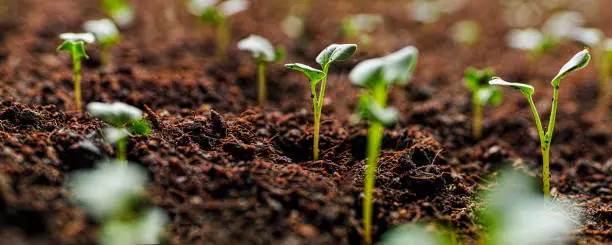
Though it’s tempting to roll up your sleeves and get to work right away after you’ve finished following all of the steps in this guide on how to prepare soil for planting flowers, giving your soil a moment to rest can make a huge difference. The short resting period will allow nutrients to settle, moisture to be evenly distributed, and any added nutrients and organic matter to blend into the soil.
Common Mistakes To Avoid When Preparing Soil
Over-Tilling or Under-Tilling
Too much or too little of anything is never a good thing, especially when it comes to tilling your soil. Overdoing it can break down soil structure, reduce beneficial microorganisms, and leave the soil so loose that it becomes prone to erosion. On the other hand, under-tilling can compact the soil, making it harder for roots to grow and absorb nutrients. The goal is to loosen it by 8-12 inches to let the roots spread comfortably without disturbing the soil more than necessary.
Ignoring Soil Testing
Skipping your soil testing is a huge mistake, yet a common one. Without testing your soil pH level and nutrient content, you’re essentially doing guesswork, which does more harm than good. Keep in mind that even though many flowers grow well in Pittsburgh soil, no soil is precisely alike. Testing helps you understand your specific garden conditions so you can make the proper adjustments before planting.
Using the Wrong Composts or Fertilizers
Choosing compost or fertilizer without understanding your soil can easily backfire. Applying the wrong type—or too much—can lead to leafy growth with few blooms, poor root development, or even plant damage. That’s why, match your compost and fertilizer choices to your soil conditions and the specific flowers you’re growing. Well-aged compost and mild, slow-release fertilizers are usually the safer bet to support steady, long-term growth.
Seasonal Tips
Spring Planting Prep
Obviously, spring is the best time to start planting your garden with Pittsburgh’s spring plants. But timing matters. Jump-starting your soil when it’s frozen and wet won’t get you anywhere. A good rule of thumb is to grab a handful of soil and squeeze it. If it stays in a tight, muddy clump, give it more time. When your soil is ready, it’ll crumble easily.
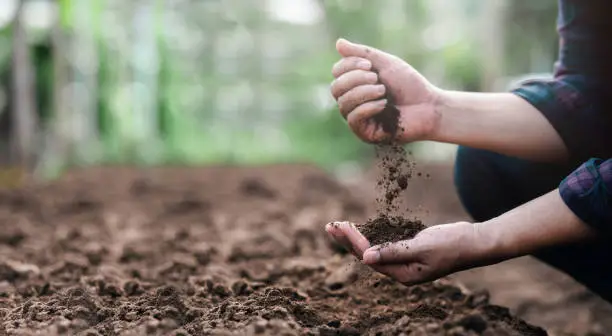
In no time, ice and snow will start to melt as a sign of warmer weather coming. Though exciting, you need to have a plan for tackling the soil that is left with excess water and moisture. How to prepare soil for planting flowers after a thaw is to let it dry out naturally and avoid walking on or tilling it. If drainage is an issue for you, mixing organic matter and slightly raising the planting bed can help improve air and water circulation.
End Note
Knowing how to prepare soil for planting flowers is what sets your garden up for success, as healthy soil is the foundation for strong roots, vibrant blooms, and a garden that continues to thrive throughout the season. When you take the time to prep your soil the right way, everything else—from planting to maintenance—becomes easier and more rewarding.
If you’d like expert help preparing your soil, designing your garden, or even maintaining it, Eichenlaub is here to help. Contact our team today.